Preparing for a dental appointment mostly means gathering information beforehand: your insurance details, a list of medications and health conditions, and a written list of questions or symptoms to discuss. Arrive a little early, brush and floss as usual beforehand, and bring anything the office asked for when you booked. Good preparation makes the visit shorter, calmer, and more useful.
Dental appointments go best when the dental team has complete information and you arrive knowing what you want to ask. Most of the preparation happens at home the day before, not in the waiting room. Whether the visit is a routine checkup or a treatment appointment, the same basic checklist applies, with a few extra steps for treatment visits. Think of preparation as doing the administrative half of the appointment in advance, so the time in the chair can focus on your teeth.
The Day Before: Gather Your Information
The most useful thing you can do before a dental appointment is assemble the facts the office will ask about. Dental teams need an accurate picture of your health because it affects their decisions, so completeness matters more than neatness.
#### Medication and Health List
Write down every medication you currently take, including prescription drugs, over-the-counter medicines, vitamins, and supplements, with the dose if you know it. Add any allergies — especially to medications, latex, or local anesthetics — and any health conditions diagnosed since your last visit, such as diabetes, high blood pressure, heart conditions, or joint replacements. Bring this list with you even if you have given the office a health history before; things change between visits, and a fresh list is the simplest way to keep the record accurate.
#### Insurance and Identification
If you have dental insurance, locate your insurance card or your member ID number and the insurer's name. Check whether the card is current — an expired card causes delays at check-in. If you do not have insurance, decide in advance how you plan to handle payment and bring a payment method the office accepts. For a first visit to a new office, bring photo identification as well. If you want to understand coverage concepts before you go, our guide to dental insurance explained covers the basic terms.
#### Previous Dental Records
If you are switching dentists or seeing a specialist, ask your previous office to send your records and recent X-rays to the new office before the appointment. This avoids retaking images unnecessarily and gives the new dentist your history. Records transfers can take a few days, so request them well ahead of time rather than the morning of the visit.
Prepare Your Questions in Advance
The questions you forget to ask are the ones that occur to you in the car on the way home. Writing them down beforehand is the single most effective preparation step, and it costs nothing.
#### Symptom Notes
If you are coming in because of a specific problem, note the details while they are fresh: which tooth or area is affected, what kind of sensation it is (ache, sharp pain, sensitivity to hot, cold, or pressure), when it started, whether it is constant or comes and goes, and what makes it better or worse. Specific descriptions help the dentist narrow down the cause faster. "My lower left molar throbs at night and cold water makes it worse" is far more useful than "my tooth hurts."
#### Questions About Findings and Options
For routine visits, useful questions include: Are there areas of my mouth I should watch? Is my brushing and flossing technique working? Do any of my medications affect my oral health? When should I come back? If the dentist recommends treatment, good follow-up questions are: What happens if I wait? What are the alternatives? How urgent is this? You can read about what that post-exam discussion usually covers in our walkthrough of a dental checkup.
The Morning of the Appointment
A few small steps on the day itself keep things smooth.
#### Oral Hygiene as Usual
Brush and floss normally before you leave. There is no need for extra-aggressive cleaning — in fact, scrubbing hard right before a visit can irritate your gums and make the exam less comfortable. Normal, thorough hygiene is exactly what the dental team expects to see.
#### Eating and Medications
Unless the office told you otherwise, eat normally and take your regular medications. Fasting is not required for routine dental visits. The exception is sedation: if your appointment involves any form of sedation, the office will give you specific instructions about food, drink, and medications beforehand — follow those exactly, and arrange for someone to drive you home.
#### Arrival Time
Aim to arrive ten to fifteen minutes early, especially for a first visit. Early arrival gives you time for check-in paperwork without rushing, and rushing raises stress, which makes the whole visit feel worse. If you are running late, call the office; they can often adjust, but they need to know.
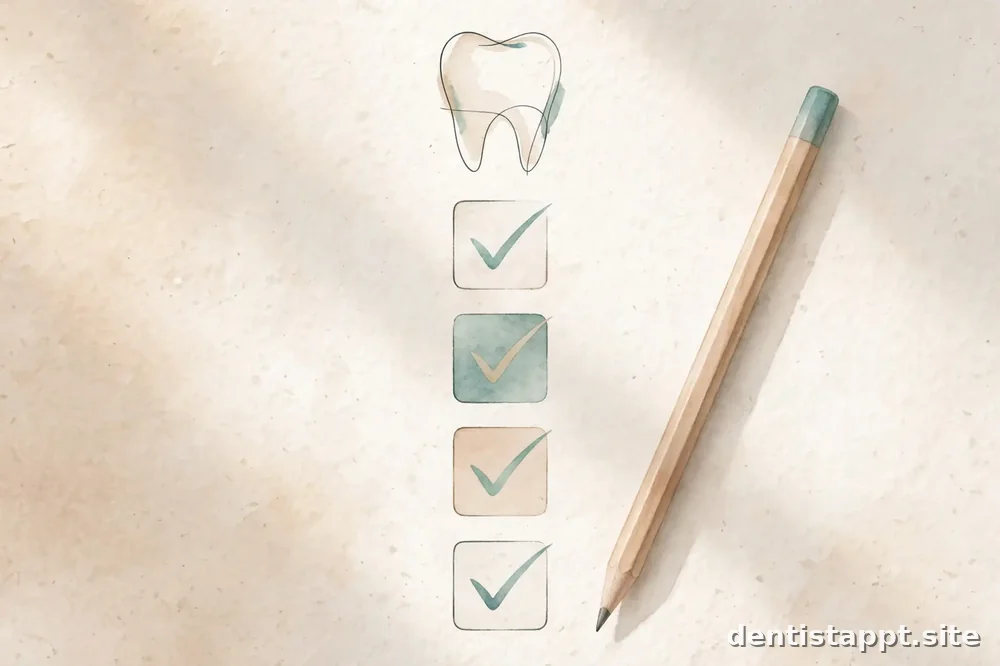
What to Bring: The Checklist
A short packing list covers nearly every routine appointment:
- Insurance card or member details, and photo ID for first visits
- Your medication and health list
- Your written questions and symptom notes
- A payment method, if you expect to pay at the visit
- Anything the office specifically requested when you booked (referral letter, previous records, a retainer or dentures if relevant)
- Reading glasses, if you need them for paperwork
Leave valuables at home or in the car. You will be reclined in a chair with your attention elsewhere, and most treatment areas have limited space for personal belongings.
Preparing for a Treatment Visit

Treatment appointments — fillings, crowns, extractions, root canals — deserve a little extra preparation beyond the routine checklist.
#### Understand the Plan Beforehand
Before a treatment visit, you should already know what procedure is planned, roughly how long it will take, what kind of anesthesia or numbing is involved, and what the aftercare looks like. If any of that is unclear, call the office before the appointment day. Walking in unsure about what is going to happen is a reliable recipe for anxiety.
#### Plan Your Schedule Around Recovery
Some treatments leave you numb for a few hours afterward; others leave you sore for a day or two. Schedule accordingly: avoid important meetings, presentations, or meals right after the appointment. Stock soft foods at home if the procedure might make chewing uncomfortable. If sedation is involved, you will need someone to drive you and stay with you afterward — arrange this in advance, not as an afterthought.
#### Ask About Costs in Advance
For treatment visits especially, ask the office for a cost estimate beforehand, including what your insurance is expected to cover and what you will owe. Surprises at the front desk after treatment are stressful and avoidable. Our article on questions about dental costs lists what to ask so the financial side holds no surprises.
If You Feel Anxious About Dental Visits
Dental anxiety is common, and preparing for it is part of preparing for the appointment. A few strategies help: tell the office when booking that you are nervous, so the team is prepared; agree on a stop signal (like raising a hand) that means you want a pause; bring headphones and music if the office allows it; and schedule morning appointments if you find that waiting all day builds dread. Avoid caffeine right before the visit if it makes you jittery. Most importantly, voice the anxiety rather than hiding it — dental teams work with nervous patients every day, and they can only adjust for what they know about.
Special Situations Worth a Call Ahead
Certain circumstances merit a phone call to the office before the appointment day rather than a surprise at check-in. These include: a medical condition that has changed significantly since your last visit; antibiotics you have been told to take before dental work; a cold, flu, or cold sores that might affect the visit; and pregnancy, so the office can plan imaging and treatment accordingly. A two-minute call lets the office prepare properly and avoids rescheduling on the day.
Booking and Confirming
Preparation starts at booking. When you schedule, confirm the date, time, and location, and ask what to bring — offices differ. Many practices send confirmation texts or emails; respond to them, because unconfirmed appointments are the ones most likely to be given away or double-booked. If you need to reschedule, do it as early as possible; late cancellations may carry a fee depending on the office policy. For the booking process itself, see our guide on how to book a dentist appointment.
FAQs
What should I bring to a first dental appointment?
Bring photo identification, your dental insurance card or member details, a written list of current medications and health conditions, and any previous dental records or X-rays if you are switching dentists. Also bring a list of questions or concerns you want to discuss. Arrive ten to fifteen minutes early for the extra paperwork. If a previous office needs to send records, request the transfer several days ahead so everything is in place before your visit.
Should I brush my teeth before a dental appointment?
Yes — brush and floss as you normally would. Normal hygiene is what the dental team expects, and it makes the exam and cleaning more pleasant for everyone. Do not brush aggressively or use extra products right before the visit; harsh scrubbing can irritate your gums. If you are coming straight from work or an errand and cannot brush, do not worry — the appointment includes a professional cleaning anyway.
Can I eat before a dental appointment?
For routine checkups and most treatment visits, yes — eat normally unless the office instructed otherwise. The only common exception is sedation, where you will be given specific fasting instructions to follow exactly. Taking your regular medications as usual is also fine for routine visits. If you are unsure whether your appointment involves sedation or special instructions, call the office the day before to confirm.
How early should I arrive for a dental appointment?
Ten to fifteen minutes early is a good rule, particularly for first visits with longer registration forms. Early arrival lets you complete paperwork calmly and gives the office time to verify insurance before your slot begins. If you are running late, call ahead — the office can often adjust the schedule, but they need notice. Chronic lateness may mean a shortened appointment, since the next patient's time is also booked.
What if I need to cancel or reschedule?
Call as early as you can — most offices ask for at least 24 to 48 hours' notice, and some charge a fee for late cancellations or no-shows. Rescheduling early gives you the best choice of new times and keeps you on track with your dental routine. If anxiety or a specific concern is behind the cancellation, tell the office; they deal with nervous patients regularly and may be able to suggest accommodations that make the visit easier.
This site is educational information only — not medical advice. Consult a qualified dental professional about your own situation.