Fall Oral Health Reset: A Seasonal Routine Checklist
Autumn is ideal for an oral health reset: brushing habits, flossing, checkup scheduling, and pre-holiday dental planning in this seasonal checklist for fall 2026.
A fall oral health reset means reviewing your daily hygiene habits, replacing worn-out tools like toothbrushes, scheduling any overdue dental checkup before the holiday season, and setting simple routines that survive busy autumn schedules. Autumn is an ideal checkpoint: summer travel is over, holiday sweets are still ahead, and there is still time to address dental needs before year-end.
Why Autumn Is a Natural Checkpoint
Seasonal transitions are useful moments for habit resets. Fall brings back structured routines — school schedules, work rhythms, regular mealtimes — which makes it easier to anchor consistent brushing and flossing. It also sits at a strategic point in the calendar: far enough from the summer holidays that routines have slipped, and close enough to the winter holidays that sugary treats, travel, and packed calendars are on the horizon.
A seasonal reset is not about perfection. It is about a deliberate, one-time review of the basics, fixing whatever has drifted, and entering the holiday season with teeth and gums in good standing. Think of it the way you might service a car before a long road trip: a little attention now prevents bigger problems later.
The Fall Oral Health Checklist
#### 1. Audit your brushing routine
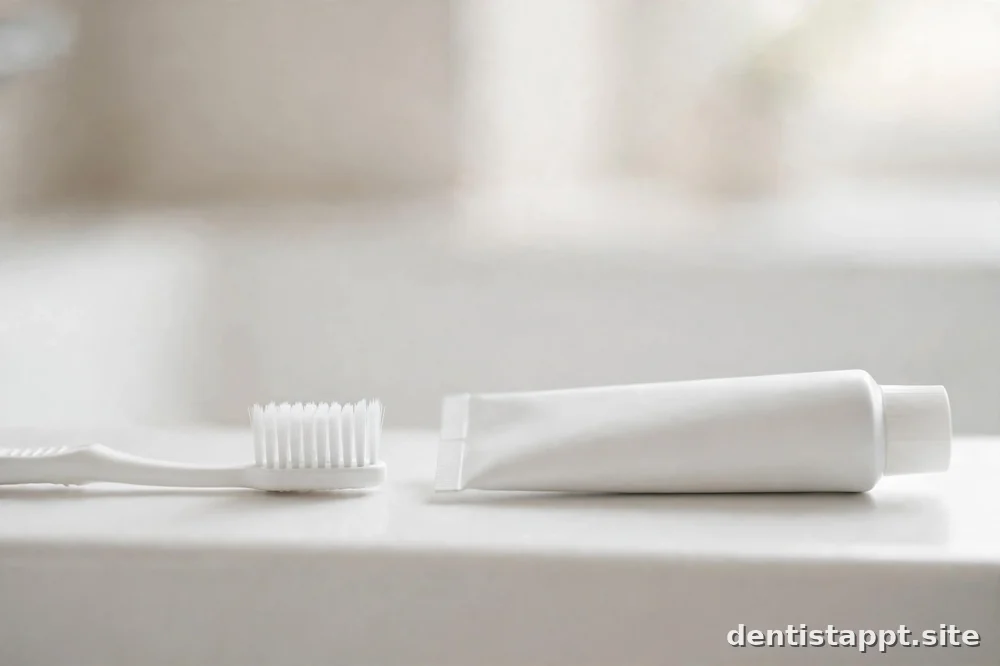
The foundation has not changed: brush twice a day for two minutes with fluoride toothpaste. Fall is a good time to be honest about the details. Are you actually brushing for the full two minutes, or rushing through ninety seconds? Are you reaching the back molars and the gumline, or skimming the easy front surfaces? Are you brushing before bed every night, even on late evenings?
If you use an electric toothbrush, check that the brush head is not past its prime. Manual or electric, replace the head or the whole brush every three to four months, or sooner if the bristles are splayed. A worn brush cleans poorly no matter how diligently you use it. Autumn is also a fine moment to confirm you are using fluoride toothpaste — fluoride remains the most widely supported ingredient for cavity prevention in daily products.
#### 2. Recommit to daily interdental cleaning
Floss, interdental brushes, or water flossers — whichever tool you prefer, the point is daily cleaning between the teeth, where a brush cannot reach. Many people floss diligently in January and trail off by September. If that sounds familiar, a fall reset is your invitation to restart without guilt.
Practical tip: pair flossing with an existing habit. Keep floss next to your toothbrush rather than in a drawer, or floss while watching the evening news. Habit research consistently shows that anchoring a new behavior to an established one works better than relying on willpower.
#### 3. Replace worn tools and restock supplies
Beyond the toothbrush, check your supplies: is the toothpaste tube nearly empty, is the floss running out, is the mouthwash expired? A small restock removes the friction that lets habits lapse. If family members share a bathroom, make sure everyone — including children heading back to school — has their own brush in usable condition.
#### 4. Schedule a checkup before the holidays
This is the single highest-leverage item on the list. Dental offices get busy in November and December as patients rush to use remaining benefits, so booking in early fall gives you better appointment choice and time for any follow-up treatment. If you are unsure about timing, our guide on how often you should see a dentist explains the general recommendations and the factors that adjust them.
A pre-holiday checkup and cleaning also means entering the season of sweets and travel with a clean slate — literally. Tartar removed in October is tartar that will not be trapping holiday sugar against your teeth in December.
#### 5. Book it the easy way
If scheduling has been the barrier, it helps to know the process is straightforward. Most practices offer online booking, a phone line, or both, and many reserve early-morning or evening slots for working patients. Our step-by-step overview of how to book a dentist appointment walks through what information to have ready and what to expect on the call or form.
#### 6. Review your family's routines
Fall resets work best as a household project. Children returning to school benefit from re-established morning and evening brushing routines, and packed lunches deserve a quick review — sticky, sugary snacks that sit on teeth all afternoon are worth swapping for tooth-friendlier options when practical. If anyone in the family wears a night guard, retainer, or aligners, autumn is a good time to check the appliance's condition and cleaning routine.
#### 7. Plan ahead for holiday challenges
The holidays bring their own oral health pressures: frequent sweets, disrupted routines, travel without your full bathroom setup, and the temptation to postpone dental issues "until January." For a dedicated rundown, see our holiday season oral health tips, which cover sweets moderation, travel dental kits, and scheduling around the holidays. Noting the plan now — while calendars are still open — beats improvising in mid-December.
#### 8. Check your dental benefits calendar
Many dental plans run on a calendar year, meaning unused benefits expire on December 31. Early fall is the right time to review what your plan covers and whether you have pending treatment that makes sense to schedule before year-end. We explain the general concepts in our guide to year-end dental benefits — the key idea is simply to look before the year-end rush, not after.
Building Routines That Survive Busy Seasons
Fall Oral Health Reset: A Seasonal Routine Checklist
The difference between a reset that sticks and one that fades by Halloween is systems, not motivation. A few principles help:
Keep it visible. Toothbrushes, floss, and toothpaste left out in the open get used more than supplies hidden in cabinets. Visibility is a feature, not clutter.
Lower the bar on hard days. On exhausting evenings, the goal is "brush at all," not "perfect two-minute session with floss." A short brush beats a skipped brush, and protecting the streak matters more than any single session's quality.
Use the calendar. Put the dental appointment in the calendar the moment you book it, with a reminder a day or two before. Dental visits that live only in memory have a way of being forgotten.
Involve the household. When everyone resets together — new toothbrushes on the same weekend, a shared calendar reminder for checkups — the routine becomes a family norm rather than an individual chore. Children especially adopt habits they see modeled consistently, so a visible parental routine accomplishes more than any lecture about brushing.
Do a mid-season check. Set a phone reminder for early November: are the habits holding? Is the appointment booked? A thirty-second review keeps the reset alive through the holidays.
What a Reset Is Not
A fall oral health reset does not require new gadgets, expensive products, or a dramatic overhaul. It does not require changing dentists, switching products, or overhauling your diet either — small, consistent corrections beat dramatic gestures every time. It does not diagnose anything and does not replace professional care — if you have tooth pain, bleeding gums, or any concern, that warrants a dental visit regardless of the season. The reset is simply a structured moment to return to the basics, done deliberately once, with systems that carry you through the busiest part of the year.
How often should I replace my toothbrush?
Every three to four months is the general guidance from dental professionals, or sooner if the bristles look splayed, frayed, or bent. A worn brush cleans less effectively because the bristles can no longer reach into the grooves and gumline properly. Electric brush heads follow the same timeline. If you are unsure whether yours is worn, compare it against a new head — flattened bristles are the visible sign it is time. Replace it after an illness as well, and never share toothbrushes between family members.
Is flossing every day really necessary, or is brushing enough?
Brushing cleans the outer, inner, and chewing surfaces, but it cannot reach between teeth where they touch — and that is exactly where cavities and gum disease often start. Daily interdental cleaning removes the plaque a brush misses. If traditional floss is difficult, interdental brushes or water flossers are acceptable alternatives; the best tool is the one you will actually use daily.
When is the best time to schedule a dental checkup in the fall?
Early to mid-fall — September through October — is ideal. Appointment availability is usually better than in November and December, when many patients try to fit in visits before benefits expire and holidays disrupt schedules. Booking early also leaves time for any follow-up treatment the checkup might reveal, without the year-end rush. If your plan's benefits reset in January, an October checkup leaves room to complete recommended treatment before the reset — call sooner rather than later, since popular time slots go first.
What should I do if my child resists the back-to-school brushing routine?
Make it structured and supervised rather than optional. Brush alongside younger children, use a two-minute timer or a favorite song, and keep supplies visible and accessible. For older children and teens, connecting the habit to something they care about — fresh breath, appearance — tends to work better than lectures. If resistance is persistent, ask your dentist for tips at the next visit.
Do I need special products for a seasonal oral health reset?
No. The essentials are a toothbrush in good condition, fluoride toothpaste, and something for cleaning between teeth. Mouthwash is optional, not required. Be skeptical of products marketed specifically for seasonal resets — the basics, done consistently, outperform novelty products. If you are considering an electric toothbrush or a water flosser, discuss it with a dental professional at your next visit.
This site is educational information only — not medical advice. Consult a qualified dental professional about your own situation.
Fall Oral Health Reset: A Seasonal Routine Checklist