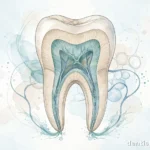
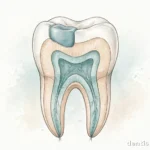
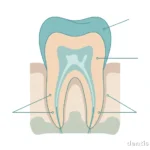
A dental crown is a custom-made, tooth-shaped covering that fits over a damaged, weakened, or cosmetically altered tooth to restore its shape, size, strength, and appearance. Think of it as a protective cap that encases everything above the gumline. Crowns are used after deep decay, fractures, or root canal treatment, and the process typically spans two dental visits.
What a Dental Crown Actually Is
A crown sits on top of the remaining structure of a natural tooth the way a thimble sits on a finger. The dentist shapes the tooth underneath, takes a precise impression or digital scan, and a dental laboratory fabricates a cap that matches the surrounding teeth in size and contour. Once bonded or cemented into place, the crown takes over the chewing function of the original tooth and shields the fragile structure beneath from further damage.
Crowns differ from fillings, veneers, and onlays in scope. A dental filling repairs a portion of a tooth; a crown replaces the entire visible portion. A veneer covers only the front surface of a tooth, mainly for appearance, while a crown wraps the whole tooth and adds structural strength. An onlay sits somewhere between a filling and a crown, covering one or more cusps of the chewing surface without encasing the full tooth. If you are curious about the anatomy a crown protects, our overview of the parts of a tooth explains enamel, dentin, and pulp in plain terms.
Dentists sometimes use the word "cap" interchangeably with "crown." They mean the same thing. The older phrase "cap" is simply the everyday word for the same restoration, and you may hear both in a dental office.
Why Dentists Recommend Crowns
A crown is not a routine treatment — dentists suggest it when a tooth cannot be reliably repaired with a filling alone. The most common reasons include:
Large areas of decay. When decay has removed a large portion of the tooth, the remaining walls may be too thin or too weak to hold a filling securely. A crown holds everything together.
After root canal treatment. A tooth that has had its nerve and pulp removed tends to become more brittle over time. Many dentists recommend crowning such teeth, especially molars that bear heavy chewing forces, to reduce the risk of fracture.
Cracked or fractured teeth. A cracked tooth can be painful when you bite and may split further without reinforcement. A crown binds the tooth together and distributes biting pressure evenly.
Worn-down teeth. Teeth can wear down from grinding (bruxism), acid erosion, or years of heavy use. Crowns restore the lost height and protect the tooth from continued wear.
Supporting other restorations. Crowns serve as anchors for dental bridges and can cap a dental implant post. They are also used to cover misshapen or severely discolored teeth when appearance matters and other options are insufficient.
Protecting children's teeth. On primary teeth with extensive decay, dentists sometimes place prefabricated crowns to preserve the tooth until it falls out naturally, protecting the space for the permanent tooth underneath.
Importantly, a crown recommendation is always tooth-specific. A dentist examines the tooth, often with X-rays, before concluding that a filling would not be enough. If you receive a recommendation and feel unsure, you can discuss the reasoning with a qualified dental professional or seek a second opinion before committing to treatment.
The Crown Process: What to Expect Step by Step
Understanding the sequence in advance makes the experience far less stressful. While individual dentists may vary the details, the general flow is consistent.
#### First visit: examination and preparation
The dentist first examines the tooth and takes X-rays to check the roots, the bone around them, and the extent of any decay or damage. If decay is found, it is removed. Then the tooth is reshaped: the dentist reduces its size on all sides so the crown can fit over it without making the tooth look bulky or interfering with the bite. An impression or digital scan captures the exact shape of the prepared tooth and the neighboring teeth, and the lab uses this to build the crown.
Before you leave, a temporary crown is fitted. This protects the prepared tooth, keeps it sensitive areas covered, and maintains the spacing while the permanent crown is being made. Temporary crowns are usually made from acrylic or composite material and are cemented with a weaker adhesive, since they only need to last a week or two.
#### The laboratory stage
A dental laboratory fabricates the permanent crown from the impression or scan. This typically takes one to two weeks. Some practices have in-office milling equipment that can produce a crown in a single visit, but the two-visit approach remains the most common.
#### Second visit: fitting and placement
At the second appointment, the dentist removes the temporary crown and tries in the permanent one, checking the fit, the color match against neighboring teeth, and the bite. Small adjustments are made as needed. Once the fit is satisfactory, the crown is cemented or bonded into place, and the dentist checks the bite again to make sure the teeth meet evenly.
The appointments themselves are routine. The preparation visit usually takes about an hour, sometimes longer if the tooth needs extensive rebuilding first. The fitting visit is generally shorter. Local anesthesia is used during preparation, so the tooth-shaping part should not be painful — pressure and vibration are the main sensations most patients report.
Life With a Crown: Care and Comfort
A crowned tooth does not need exotic maintenance, but it does benefit from consistent habits. Brush twice daily with fluoride toothpaste and clean between the teeth daily with floss or an interdental cleaner. Pay particular attention to the margin where the crown meets the gumline, because plaque can accumulate there and cause gum irritation or decay at the edge of the crown.
A few practical notes:
- Temporary crown care. While wearing the temporary, avoid sticky or very hard foods on that side, and slide floss out sideways rather than lifting it up, to avoid dislodging the temporary.
- Bite feel. A new crown may feel slightly different for a few days as your bite adjusts. If the bite feels "high" or uneven after the first week, contact the dental office — a small adjustment usually resolves it.
- Sensitivity. Mild sensitivity to hot or cold after crown placement is common and typically fades. Persistent or worsening pain deserves a follow-up call.
- Grinding. If you grind your teeth, mention it to your dentist. A night guard can protect both crowns and natural teeth from excess force.
A crown does not make a tooth indestructible. The tooth underneath can still develop decay at the margin if oral hygiene lapses, and the crown itself can chip or come loose if subjected to extreme force. Regular dental checkups let the dentist monitor the crown's condition alongside the rest of your mouth.
Crowns vs. Fillings: How Dentists Decide
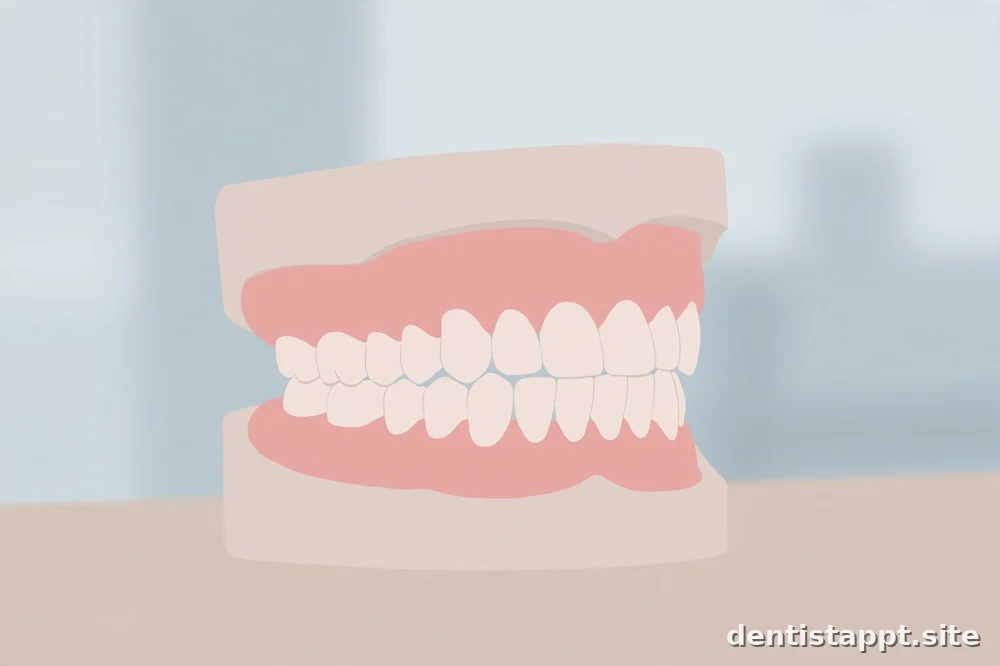
Patients often wonder why a filling would not suffice. The decision comes down to how much healthy tooth structure remains and how much force the tooth must withstand. As a general concept, small to moderate cavities in low-stress areas can be restored with fillings. When the damage spans multiple surfaces, undermines the cusps, or follows a root canal, the tooth needs the full coverage a crown provides.
This is also where cost questions naturally arise. Whether a crown is more appropriate than a filling, and what either option involves financially, depends on the tooth, the practice, and your dental plan. For general guidance on how dental pricing works and what factors shape it, see our overview of common questions about dental costs. The key point is that the clinical decision — what the tooth needs — comes first, and cost considerations are handled with the dental office and your plan afterward.
What Crowns Cannot Do
Crowns are restorations, not upgrades. A crown does not strengthen the tooth beyond its original design, whiten neighboring teeth, or straighten a crooked bite. It also cannot save a tooth that is too badly damaged below the gumline or that has lost too much supporting bone — in those situations, the dentist will discuss alternatives. Setting realistic expectations before treatment begins leads to much higher satisfaction afterward.
How long does a dental crown usually last?
There is no guaranteed lifespan, because longevity depends on the tooth's condition, the forces it endures, oral hygiene, and habits like grinding. With good care and regular dental visits, crowns commonly serve for many years. Avoiding chewing ice or using teeth as tools also helps protect them. A dentist can assess an existing crown at routine checkups and advise when a replacement may eventually be needed.
Is getting a crown painful?
The preparation visit is done under local anesthesia, so shaping the tooth should not hurt; most patients feel pressure and vibration rather than pain. Some soreness or temperature sensitivity in the days after each visit is common and usually temporary. If you feel anxious about the procedure, mention it beforehand — dental offices have several comfort measures available, and knowing what to expect usually reduces worry. If pain is significant or persists beyond a week or two, contact the dental office for advice.
Can a crown fall off, and what should I do if it does?
Yes, a crown can occasionally come loose or fall off, often after many years or after biting something very hard. If it happens, keep the crown, avoid chewing on that side, and contact a dental office promptly. Do not try to re-cement it yourself with household adhesives. The dentist will check whether the crown and the tooth underneath are intact and can be re-cemented or need replacement.
Do I need a crown after every root canal?
Not always, but crowns are frequently recommended after root canals, particularly on back teeth that absorb strong chewing forces. Teeth that already carry large fillings are the strongest candidates for crowning afterward, since little natural structure remains to protect. Front teeth with minimal structural loss can sometimes be restored with a filling instead. The decision depends on how much natural tooth remains and where the tooth sits in the mouth — something to discuss with a qualified dental professional.
Will a crown look natural?
Modern crowns are designed to blend with the surrounding teeth in shape and shade, and most people cannot tell a well-made crown from a natural tooth. The dentist selects the shade to match your neighboring teeth during the fitting process. On back teeth appearance matters less, but the same shade-matching care is applied so the crown does not stand out when you laugh or speak. If appearance is a priority for you, say so during the consultation so shade matching gets proper attention.
This site is educational information only — not medical advice. Consult a qualified dental professional about your own situation.