A root canal treats infection or irreversible damage in the soft inner tissue of a tooth: the dentist removes the affected pulp, cleans and disinfects the inner canals, then fills and seals the space. It is a routine procedure done with local anesthesia, and most patients report it feels similar to getting a filling.
Why a root canal becomes necessary
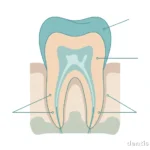
To understand the procedure, start with what is inside your tooth. Beneath the hard enamel and dentin lies the pulp — a soft tissue containing nerves, blood vessels, and connective tissue that extends from the crown down through narrow canals into the tooth's roots. Our guide to the parts of a tooth illustrates these layers. When the pulp becomes irreversibly inflamed or infected, it cannot recover on its own.
This usually happens in one of a few ways. Deep decay is the most common cause: a cavity that progresses through enamel and dentin eventually reaches the pulp. Repeated dental procedures on the same tooth, a crack or chip that exposes the inner tissue, or trauma — even an old injury that seemed minor at the time — can also damage the pulp. Once the pulp is compromised, bacteria can multiply inside the tooth, potentially forming an abscess at the root tip if left untreated.
The alternative to a root canal is generally tooth extraction — removing the tooth entirely. A root canal exists precisely to avoid that outcome: it eliminates the infection while preserving the natural tooth, which is usually preferable because nothing functions quite like your own tooth for chewing, bite alignment, and maintaining the jawbone.
Signs that suggest you should be evaluated
It is important to be clear: only a dentist, using examination and X-rays, can determine whether a root canal is needed. But certain symptoms commonly prompt the evaluation that leads to the diagnosis. Persistent toothache, especially pain that lingers after exposure to hot or cold, is the classic signal. Pain when biting or touching the tooth, swelling of the nearby gum, a recurring pimple-like bump on the gum, or darkening of the tooth can also be associated with pulp problems.
Just as notable is the absence of symptoms. Some teeth with pulp damage cause little or no pain, particularly if the nerve tissue has died quietly. These cases are typically discovered on routine X-rays, which is one more reason regular checkups matter. The presence or absence of pain is not a reliable guide to what is happening inside the tooth — professional evaluation is.
The procedure, step by step
A root canal is methodical rather than dramatic. Here is what generally happens, in order.
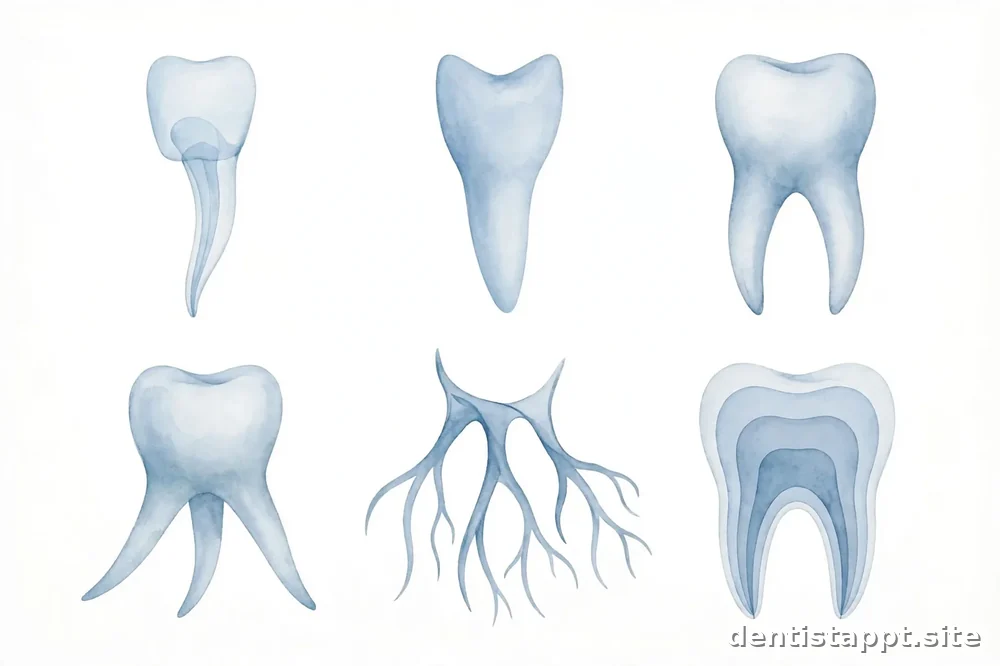
Examination and X-ray. The dentist confirms the diagnosis and maps the tooth's internal anatomy. Root canal systems vary — molars often have three or four canals, sometimes with curves — so this imaging guides the entire procedure.
Anesthesia and isolation. Local anesthetic numbs the tooth and surrounding tissue. A small protective sheet called a dental dam is then placed around the tooth, keeping the working area clean, dry, and free of saliva during treatment.
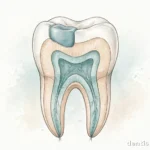
Access opening. The dentist creates a small opening in the crown of the tooth to reach the pulp chamber and canals. If the tooth already has extensive decay or an old filling, this step may merge with removing that damaged material.
Cleaning and shaping. Using fine instruments, the dentist removes the diseased pulp tissue and cleans out each canal, shaping them to receive the filling material. Disinfecting solutions flush the canals during this process. This is the most time-consuming part of the procedure and the core of it — thorough cleaning is what eliminates the infection.
Filling the canals. Once cleaned, the canals are filled with a biocompatible rubber-like material and sealed with adhesive cement, closing off the space so bacteria cannot re-enter.
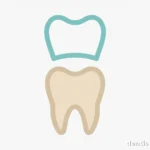
Temporary or permanent restoration. A temporary filling closes the access opening. In most cases — especially for back teeth — a crown is recommended afterward to protect the tooth, since a tooth that has had a root canal can become more brittle over time. The crown is usually placed at a separate appointment once the tooth has settled.
Most root canals are completed in one or two appointments of roughly an hour or more each, depending on the tooth's complexity.
Addressing the anxiety honestly
Root canal treatment has one of the worst reputations in dentistry, and much of it is outdated. The procedure's fearsome image dates from an era before modern anesthesia and rotary instruments made it routine. With effective local anesthesia, the experience during treatment is commonly described as unremarkable — the sensations most patients report are vibration, pressure, and the oddity of keeping the mouth open, not pain.
That said, anxiety itself is real and deserves respect, not dismissal. If you are nervous, say so before treatment begins. Dentists deal with anxious patients constantly and can adjust their approach: explaining each step as it happens, agreeing on a stop signal (usually raising a hand), scheduling at a calm time of day, or discussing sedation options where appropriate. You are also entitled to ask exactly what will happen and how long each phase takes — uncertainty fuels fear, and information deflates it.
It can help to reframe what the procedure represents. A root canal is not something being done to punish you; it is the treatment that relieves the pain of an infected tooth and saves the tooth itself. Many patients report that the relief afterward — the end of a toothache that may have troubled them for weeks — makes them wish they had not waited so long.
After the procedure: the general picture

Numbness wears off over a few hours, and the tooth may feel tender or mildly sore for several days — this is a normal part of healing as the surrounding tissues settle. The tooth should not be used for heavy chewing until the permanent restoration (usually a crown) is in place, since the temporary filling and the treated tooth are more vulnerable in the interim.
Your dentist will give you specific aftercare instructions — follow them. They typically cover what to eat, how to keep the area clean, and what level of discomfort is expected. Contact the office if pain escalates instead of improving after the first few days, if swelling develops, or if the temporary filling comes out. These situations are manageable when reported promptly.
Once the permanent crown is placed, a root-canal-treated tooth functions like any other tooth. It still needs the same daily care — brushing, flossing, regular checkups — because while the nerve is gone, the tooth can still develop decay around the restoration or gum problems like any natural tooth.
Root canal versus extraction: how dentists think about it
Patients sometimes ask why they should not simply have the tooth removed. Extraction is sometimes the right call — if the tooth is too damaged to restore, if the root is fractured, or if surrounding bone support is severely compromised. But when a tooth can be saved, preservation is usually favored for practical reasons: your natural tooth maintains proper bite alignment, preserves the jawbone that would otherwise begin to resorb, and avoids the need for a replacement such as an implant or bridge.
That is a general principle, not a rule for your specific case. The right choice depends on the tooth's condition, your overall oral health, and your preferences — which is exactly the conversation to have with your dentist, who can show you the X-rays and explain the reasoning. Either way, the decision deserves a full discussion before it is made.
FAQs
Is a root canal painful?
During the procedure, the tooth is numbed with local anesthetic, so you should not feel pain — most patients describe pressure and vibration rather than discomfort. In fact, many root canals are performed precisely because the patient is already in pain from the infected pulp, and the treatment relieves it. Afterward, some tenderness for a few days is normal as tissues heal. If you feel pain during the procedure itself, tell the dentist immediately so more anesthetic can be given; there is no expectation that you endure it.
How many appointments does a root canal take?
It depends on the tooth. A straightforward front tooth with a single canal is often completed in one visit. Molars with multiple or curved canals may take one longer visit or be split across two appointments. If a crown is needed afterward to protect the tooth — which is common, especially for back teeth — that usually means at least one additional appointment for the crown preparation and placement. Your dentist can give you a clearer estimate after seeing the X-rays, since canal anatomy varies from tooth to tooth.
Will I need a crown after a root canal?
Often, yes — particularly for molars and premolars that do heavy chewing. A tooth that has undergone root canal treatment can become more brittle over time because the pulp, which supplied moisture to the inner tooth, is gone. A crown covers and protects the tooth, reducing the risk of fracture. Front teeth, which bear less chewing force, sometimes do well with just a filling. The recommendation depends on how much natural tooth structure remains and where the tooth sits, so discuss it with your dentist before deciding.
Can a root canal fail?
Like any medical or dental procedure, a root canal does not come with a guarantee. Occasionally, infection persists or returns — for instance, if a canal was missed due to unusual anatomy, if the seal deteriorates over years, or if new decay reaches the treated area. When that happens, retreatment is often possible, and an endodontist (a root canal specialist) can evaluate the options. The best protection is completing the recommended permanent restoration promptly and maintaining regular checkups so any issue is caught early.
What happens if I just ignore the problem instead?
An infected pulp does not resolve on its own. The infection typically persists and can spread — to the bone around the root tip, forming an abscess, and in serious cases beyond. Pain may come and go, but the underlying problem progresses, and what could have been a routine root canal can become an urgent situation requiring extraction or emergency care. Delaying also tends to narrow your options over time. If cost or fear is the reason for hesitation, discuss both openly with the dental office; both have practical solutions.
This site is educational information only — not medical advice. Consult a qualified dental professional about your own situation.